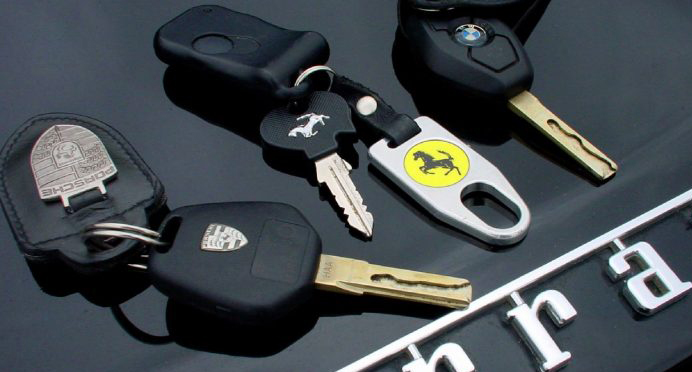
The cost of car key replacement typically ranges from $50 to $600, depending on the car key type, car model, and location. Primary keys are cheaper, while smart keys or key fobs are more expensive. Dealer replacements generally cost more than those from locksmiths. It varies on how much it costs to replace a car key with all makes, models, years, and types taken into consideration.
Car Key Replacement Costs Vary Based On Key Type:
Basic Key ($50-$100): These are simple, non-electronic keys that are easy and cheap to replace.
Transponder Key ($100-$250): These keys have a chip that communicates with the car and requires programming.
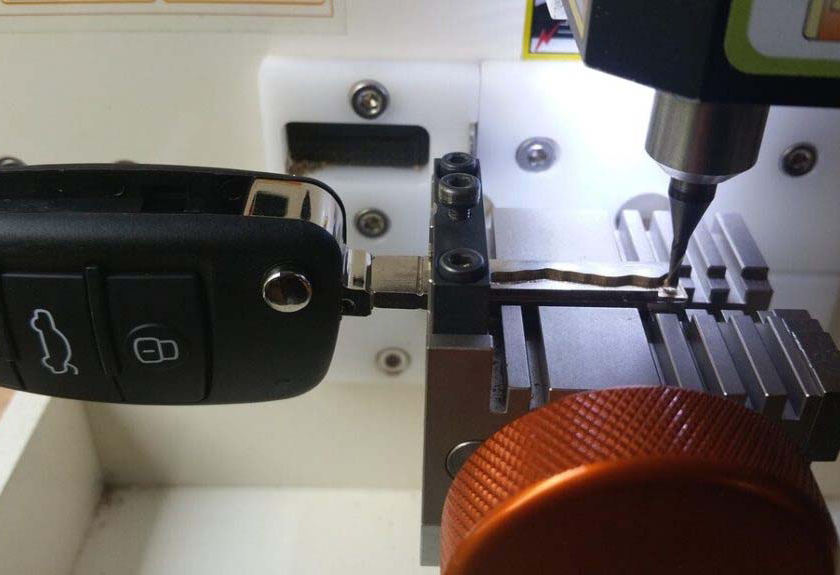
Laser-Cut Key ($150-$300): Thicker, more precise keys that offer additional security, often needing special machines to cut.
Switchblade Key ($200-$300): These are foldable keys with a shank that flips out like a switchblade, combining the mechanical key and remote.
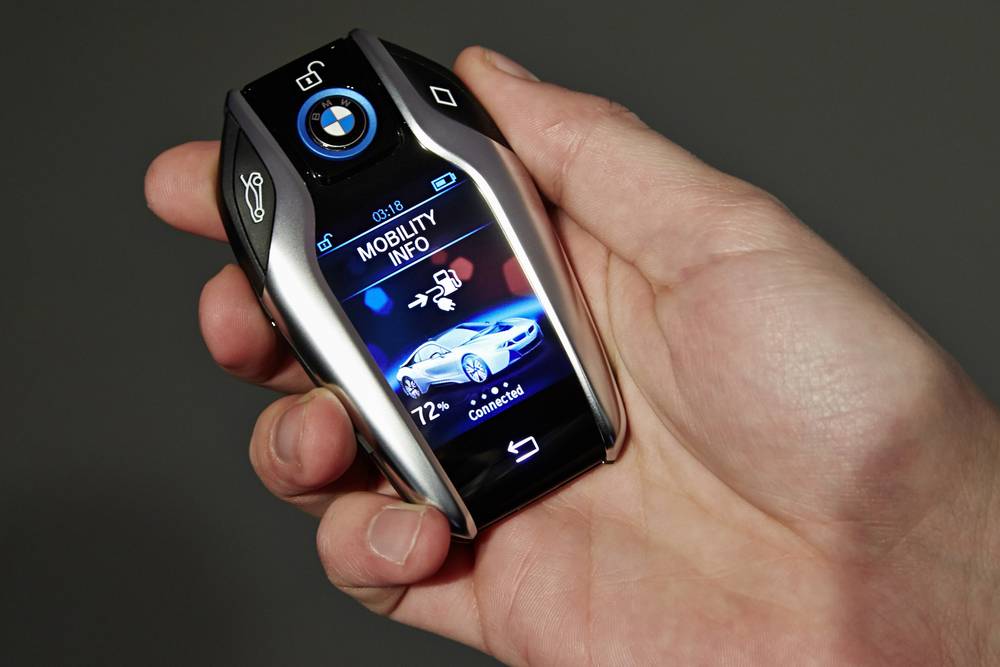
Smart Key/Fob ($200-$600): These are advanced keys with proximity sensors, and push-button start features, requiring complex programming and pairing with the car.
Keys Replacement Cost Factors
Whether you choose to visit a dealership, for example, you would expect the price to be higher than having them replaced by an independent locksmith; however, prices also vary depending on which make and model your vehicle is and its age. The labor costs can increase significantly if you need exceptional security measures, such as adding laser-cut keys. Some manufacturers equip their vehicles with high-tech security systems that can drastically improve the price of car key replacement. Some high-end manufacturers’ vehicles may require a specialist to be called out to reset the vehicle’s computer system, which will also come at an additional cost.
If you are looking for prices within your local area, it is important to research several companies or locksmiths before making any decisions. This will allow you to get the best deal on your new keys. The average pricing can vary depending on whether you are replacing single or double transponder keys and what condition they are in when considered with all other factors that affect car key replacement costs. The range of prices below is based on how much it would cost if your current keys are in good condition and you only need the cuts to be re-encoded (e.g. if they were recently copied or stolen).
Car Key Replacement Cost Breakdowns
Dealer replacements are usually more expensive than locksmith services. Locksmiths can often provide quicker and more affordable solutions, but ensuring they have the proper equipment and expertise for modern key types is essential. Always compare prices and services to get the best deal.
Of course, the final price will depend on how many keys there are, whether they are duplicates or replacements only, etc. Car key replacement prices can range from less than $75 to the same as wholly new car key fobs, which cost between $100-300 each if you’re buying extra spare ones or something similar.
What About Other Types Of Keys?
Key replacement prices for trucks and 4x4s
If your keys are damaged, you should not attempt to use them and must replace them immediately. If they break off inside the lock, then this would require that you also get a new lock cylinder put into your door, which can be pretty expensive. The range above does not account for this, though!
Some dealerships offer car key replacements, but these tend to be of lower quality (they may even come with fewer security features). So, if you choose this route rather than choosing an independent locksmith, make sure you compare quotes from several different places first before making a decision. You may be able to get a much better deal by shopping around.
Key replacement prices for motorbikes and scooters
If you can’t find your keys and think they may be stolen, you must report this to the police. The chances of them being recovered are slim, but if they manage to get tracked down, they will not be returned to you unless your vehicle was reported stolen at the time of the theft (this all depends on your insurance company, though). It would help if you also kept in mind that it is illegal in all states/countries to drive without having at least one working key, so until you have replaced them all, you won’t be able to use your vehicle. The prices above account for replacing all keys and not just the ignition key. If you have a single transponder key, it’s highly unlikely that replacing just this will cost as much as an entirely new set of keys.
Key Replacement Prices for Motorboats and Sail Boats
The pricing above assumes that your boat is not under finance and does not consider whether you have one or multiple locks on your vessel if the locking mechanisms need to be re-keyed or repaired first etc. It should also be considered that a professional marine locksmith should always be contacted rather than trying to do any work yourself. Otherwise, this could invalidate your insurance policy – especially if it should happen to rain! It should also be noted that if your keys are worn or don’t work anymore, then it’s best to replace them as soon as possible before you end up losing your whole set.
Key replacement prices for motorhomes and campervans
The costs outlined above do not include trailers or any other equipment that may be stored onboard your vehicle. If you plan to use your new keys on multiple locks (e.g., the coach-house door, the gas locker, etc.), this will cost more than just having single key replacements done. It is important to note that if you are undergoing a car key replacement yourself rather than getting someone else to do it for you, they might accidentally cut the wrong type of key, leaving all kinds of problems with opening/closing certain parts of your vehicle.
Key replacement prices for trailers and caravans
If you are planning on converting any of these locks into digital systems or if you need to re-key them, then the above prices will not be accurate as this is an additional charge. When shopping around, this should also be considered by asking for quotes from several different places before committing to anyone firm – they may turn out to be much cheaper than others (if they can do it right away without needing to order parts, etc.)! It’s always best to ask upfront rather than assuming that there won’t be any extra charges involved, though.
Oh, No! Where did it go? The Saga of the Lost Car Key
Has there ever been that moment when you experienced the heart-stopping moment when you reach into your pocket, purse, or bag, only to find that your car key has vanished into thin air? Panic sets in, and a rush of questions floods your mind. How much will this cost? What are my options? Fear not, fellow motorists! We’re here to guide you through the mystifying world of lost car keys with insight and a dash of humor.
The Great Escape: Searching for the Lost Key
Before you embark on the quest to replace your lost car key, retrace your steps like a detective in a crime movie. Remember the places you’ve been and check the most unexpected spots where the elusive key could have made its great escape. Behind the sofa cushions, the fridge (you never know!), or even the depths of your laundry basket – the possibilities are endless.
The Realization: Accepting the Inevitable Cost
Alas, if your key-hunting skills prove to be futile, it’s time to come to terms with the cost of a lost car key. Take a deep breath. The cost may vary depending on factors such as the car’s make and model, the type of key, and whether it includes any additional features like remote access.
The Dealer Dilemma: To the Dealership or Not to the Dealership?
One option is heading straight to the dealership, the sacred realm of automotive knowledge. However, beware! Dealerships are notorious for their steep prices. But hey, at least you can enjoy the complimentary coffee while you wait.
The Locksmith’s Lair: A Viable Alternative
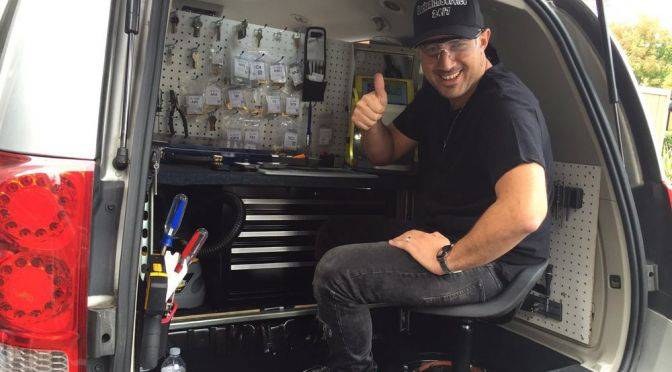
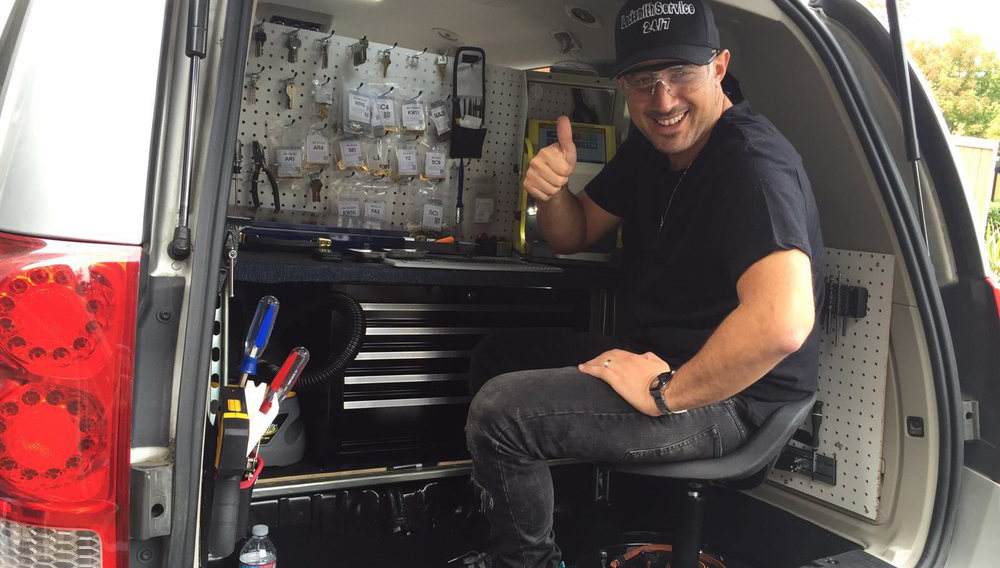
Fear not, brave souls! There’s another path. Seek out the services of a trustworthy locksmith, a master of unlocking mysteries and car doors. Locksmiths often offer more reasonable prices and can replicate your lost key with precision. It’s like hiring a magician for your car!
The DIY Enigma: Key Reprogramming at Home
Feeling adventurous? Some cars allow you to program a new key yourself. If you’re tech-savvy and dare to try, consult your car’s manual or search online tutorials. Just remember, one wrong move, and you might unleash the car’s inner poltergeist.
The Spare Key Revelation: Preventative Measures
After this wild journey, one thing’s for sure: you’ll never underestimate the power of a spare key again. If you find your lost key or end up replacing it, create a backup (or two!). Hide them strategically, so even the most mischievous gremlins won’t get their hands on them.
The Happy Ending: Learning from the Experience
Every lost key incident carries a silver lining – the lessons learned along the way. You now know the importance of staying calm in moments of panic, the art of retracing your steps, and the existence of locksmith superheroes. So, in a way, it’s not just a lost key, it’s an adventure of self-discovery!
In conclusion, losing a car key might be a temporary setback, but it’s also an opportunity to learn, adapt, and even laugh at the situation. Keep these tips in mind the next time your key decides to vanish. But remember, even though the cost and hassle may seem daunting, there’s always a solution to the lost car key mystery! So, fellow drivers, when life throws you a curveball in the form of a lost key, gear up, embrace the adventure, and ride on! And just maybe, that lost car key might be on a secret mission to unlock a door to your next exciting chapter. Happy driving!
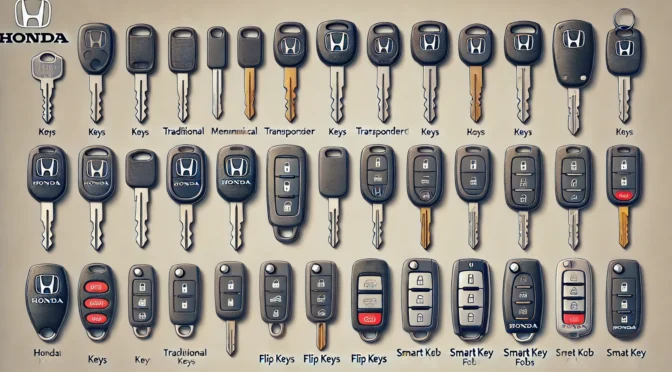
Car keys have surely come a long way since the good ol days of automobiles. Modern technology has revolutionized how we access and start our vehicles, replacing the traditional metal keys with sophisticated electronic devices. In this article, we will explore the three primary types of car keys – traditional, transponder, and smart keys – and understand their functionalities, security features, and how they interact with your vehicle’s ignition system.
Traditional Car Keys: Traditional car keys are the oldest and most basic type of key used to start vehicles. Comprised of a simple metal blade, these keys rely on the mechanical action of turning the ignition cylinder to start the engine. Even though they are still used in some older models, their design offers very minimal security against car theft, as they lack any good security electronic components.
Traditional car keys typically fall into several categories, each with its own design and features. Here is a list of the types of traditional car keys:
Basic Metal Key: The most fundamental form of a traditional car key, consisting of a single piece of metal cut to fit the car’s ignition. It has no electronic components or security features.
Valet Key: A simplified version of the car’s main key that provides limited access, often used by valets or when you want to restrict access to certain features in your car, like the glove compartment or trunk.
Master Key: A special key that can open and operate multiple locks within a specific vehicle, such as the doors and ignition. It is typically used by service technicians and dealerships.
Double-Sided Key: A key with cuts on both sides of the blade, allowing it to be inserted into the car’s lock in either orientation, making it more convenient for users.
Laser-Cut Key: A key cut using laser technology, providing a higher level of precision and security, as the unique pattern is harder to duplicate.
Side-Milled Key: Similar to a laser-cut key, but with cuts made on the sides of the blade, providing enhanced security and tamper resistance.
Tubular Key: Commonly used in older car models and vending machines, these keys have a cylindrical shape with notches cut into the outer edge.
Flat Key: Also known as a barrel key, it is a simple key with a flat, rectangular blade used in certain vintage and antique cars.
Bit Key: An early type of car key that uses a series of bumps and grooves to operate the lock.
Skeleton Key: Historically used in older cars, these keys have a hollow barrel, allowing them to bypass certain types of locks.
Paracentric Key: Designed to improve security, these keys have a unique shape, making them more challenging to duplicate.
Abloy Key: Utilizing a rotating disc mechanism, these keys provide high security and are commonly used in heavy-duty applications.
Transponder Keys: Transponder keys, when they were introduced in the late 1990s (the golden years (lol), added an extra layer of security to car key systems. These keys feature a small microchip embedded within the plastic head of the key. When the car key is inserted into the ignition, the vehicle’s immobilizer system sends a radio signal to the transponder. If the correct code is detected, the engine is allowed to start, preventing unauthorized starting of the car. This was a crazy upgrade.
Transponder keys come in various forms, designed to enhance vehicle security and prevent unauthorized access. Here is a list of the types of transponder keys commonly used in modern automobiles:
Fixed Transponder Key: The most basic type of transponder key, containing a fixed code that is programmed into the key’s microchip. When inserted into the ignition, the car’s immobilizer system reads the code and allows the engine to start if it matches the preprogrammed code in the vehicle’s system.
Cryptographic Rolling Code Transponder Key: Also known as a rolling code or dynamic key, this type of transponder key generates a new code each time the key is used. The car’s immobilizer system and the key must synchronize their codes to enable the engine to start. This rolling code technology provides higher security against code grabbing and cloning attempts.
Encrypted Transponder Key: Similar to the cryptographic rolling code key, an encrypted transponder key uses advanced encryption algorithms to secure the communication between the key and the car’s immobilizer system.
VATs (Vehicle Anti-Theft System) Key: Used in some older General Motors vehicles, VATs keys have a series of resistor values embedded in the key blade. The car’s immobilizer system reads the resistance value to allow the engine to start.
Megamos Crypto Transponder Key: A common type of transponder key used in many Volkswagen, Audi, and other car brands. It employs a cryptographic algorithm to enhance security.
Texas Instruments (TI) Transponder Key: TI transponder keys are widely used in various car makes and models. They use Texas Instruments’ proprietary technology to communicate with the car’s immobilizer system.
Philips Crypto Transponder Key: Used in vehicles from manufacturers like Peugeot, Citroën, and others, Philips Crypto transponder keys utilize a cryptographic system to prevent unauthorized access.
Mitsubishi Multi Communication System (MMCS) Key: Designed for specific Mitsubishi models, this transponder key works in conjunction with the MMCS to provide keyless entry and ignition functions.
Tiris (Texas Instruments Registration and Identification System) Key: Another type of transponder key manufactured by Texas Instruments, often used in Ford and some Mazda vehicles.
Hitag Transponder Key: Produced by NXP Semiconductors, Hitag transponder keys are utilized in various car brands and offer secure communication with the vehicle’s immobilizer system.
Temic Transponder Key: Temic transponder keys are used in vehicles from manufacturers such as Mercedes-Benz and BMW, employing their technology to enhance security.
It’s essential to note that the availability of specific transponder key types depends on the car manufacturer and model. As technology continues to advance, newer and more secure transponder key systems may emerge. Always consult your vehicle’s user manual or contact a professional locksmith or dealership for accurate information about your car’s transponder key type.
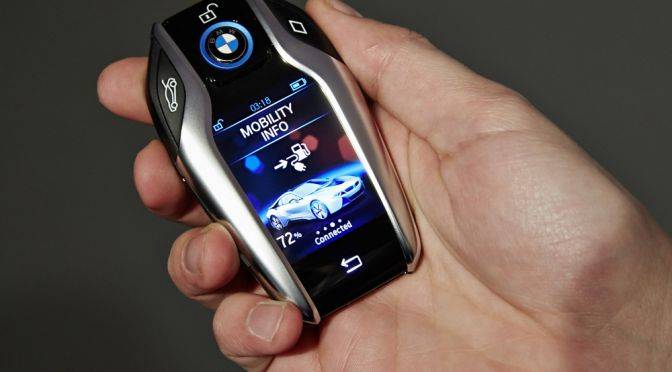
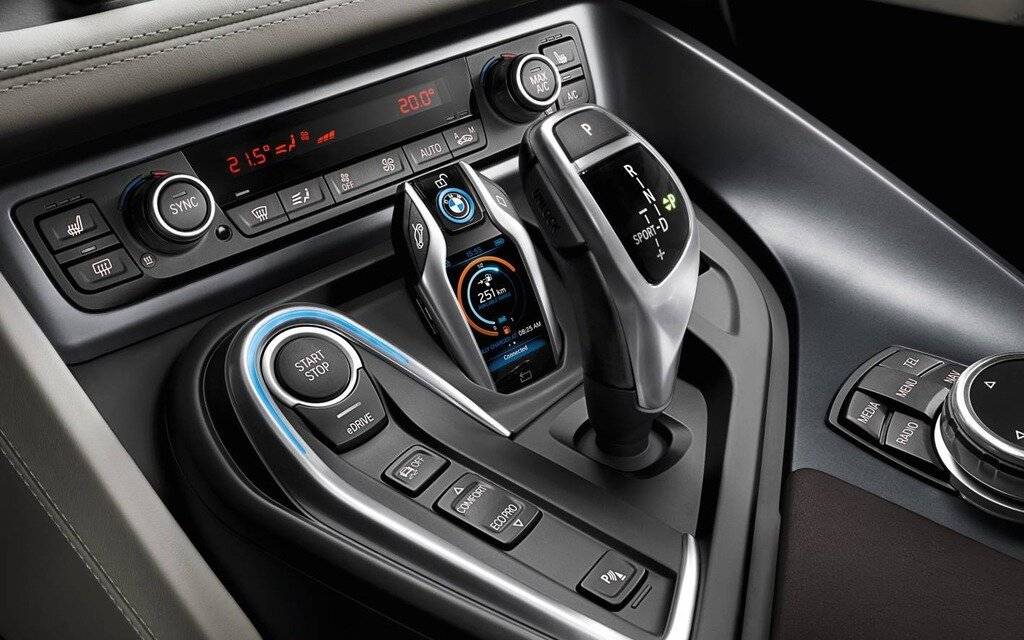
Smart Keys: Smart keys represent the pinnacle, the top, the mecca of car key technology. Also known as proximity keys or keyless entry remotes, these devices allow for keyless access to your vehicle. Smart keys communicate wirelessly with the car’s entry and ignition systems using radio frequency or Bluetooth technology. When in proximity to the vehicle, the doors can be unlocked, and the engine can be started with the push of a button.
Smart car keys, also known as keyless entry or keyless ignition keys, incorporate advanced technology to provide convenient access and control over various vehicle functions. Here is a list of the types of smart car keys commonly used in modern automobiles:
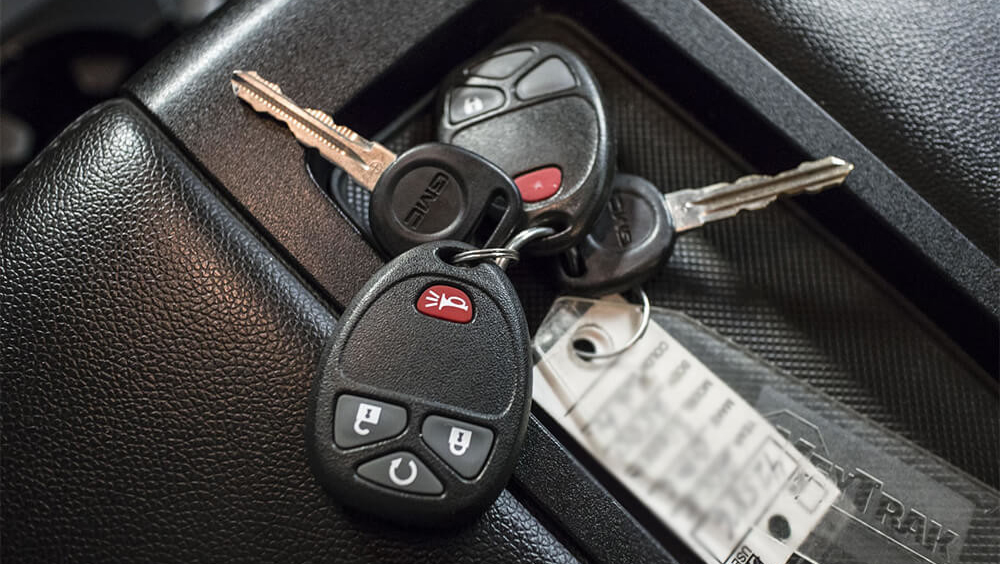
Keyless Entry Remote: The most basic type of smart car key, often referred to as a key fob. It allows you to lock and unlock the car’s doors remotely without the need to insert a key into the door lock.
Push-to-Start Key: A key fob with a push-button start feature. As long as the key fob is inside the car, you can start the engine by simply pressing the ignition button.
Proximity Key: Also known as a smart key or proximity keyless entry system, this type of smart key communicates wirelessly with the car’s entry and ignition systems when you are in proximity to the vehicle. It enables keyless locking, unlocking, and engine start.
Keyless Go: An advanced version of the proximity key that allows for a seamless start/stop process. With Keyless Go, the engine starts when you press the brake pedal and push the start button while the key fob remains in your pocket or bag.
Remote Start Key: This smart key type includes remote engine start functionality, enabling you to start the car’s engine from a distance to preheat or cool down the interior before getting in.
Hands-Free Key: Also known as a hands-free smart key, it allows you to lock, unlock, and start the car without physically removing the key fob from your pocket or purse. The car senses the proximity of the key and automatically responds to your actions.
Mobile App-Based Key: Some car manufacturers offer mobile applications that act as virtual keys. You can lock, unlock, and start your car using the mobile app on your smartphone.
Biometric Smart Key: An emerging technology that incorporates biometric authentication, such as fingerprint scanning, to ensure secure access to the vehicle.
Digital Key: A digital representation of the physical smart key stored in your smartphone or other electronic devices, allowing you to access and operate the car through a compatible app.
Gesture-Controlled Key: A futuristic concept that uses gestures or motions to unlock and start the vehicle, eliminating the need for a traditional key fob.
It’s important to note that the availability of these smart car key types may vary depending on the car manufacturer and model. As technology continues to evolve, newer and more innovative smart key systems may be introduced, enhancing the convenience and security of vehicle access and control.
Advantages and Disadvantages: Each type of car key comes with its own set of advantages and also some disadvantages. Traditional keys are very simple and reliable but lack modern security features. Transponder keys on the other hand offer enhanced security, making it difficult for sneaky thieves to hotwire the car, but they can be expensive to replace if lost (over 400.00 sometimes). Smart keys provide the most convenience but may be more susceptible to hacking and electronic interference.
The Future of Car Keys: As automotive technology continues to evolve, the future of car keys seems to be heading toward even crazier and more innovative solutions. Biometric authentication, such as fingerprint scanning, and mobile device integration may become more prevalent in car key systems of the future. These advancements aim to improve security while enhancing user experience and convenience.
Understanding the different types of car keys – traditional, transponder, and smart keys – is essential for car owners and drivers. Each type offers its unique benefits and challenges, impacting vehicle security, convenience, and overall driving experience. As technology progresses, it’s crucial for consumers to stay informed about the latest advancements and choose the car key system that best suits their needs and preferences.
Car key fobs have quickly become a very integral part of modern day driving, since they offer convenience and security like no car keys have in the past. While to the naked eye their design and coding may appear straightforward on the surface, the creation of these amazing yet tiny devices involves a blend of sophisticated engineering and cool advanced coding techniques. In this article, we shall delve deep into the intricacies of how car key fobs are so cleverly crafted and encoded, revealing the impressive craftsmanship behind these seemingly simple accessories.
Crafting the Physical Key Fob
The internal components of the fob are very equally significant. Advanced circuitry is used to accommodate the remote-control features, immobilizer functions, and other essential functionalities. These components are very intricately arranged within the compact casing, optimizing space while ensuring flawless performance.
The first step in creating a car key fob involves the physical design and manufacturing process. Engineers meticulously choose materials that balance durability, aesthetics, and practicality. Key fobs are often made from a combination of plastics, metals, and sometimes rubber. The choice of materials is critical to ensure the fob withstands everyday wear and tear while remaining comfortable for the driver to carry around.
Encryption and Coding
One of the most crucial aspects of car key fob creation lies in the encryption and coding of the device. This ensures that each fob is uniquely paired with a specific vehicle, bolstering security and preventing unauthorized access. To achieve this, automotive manufacturers employ highly sophisticated encryption algorithms and cryptographic protocols.
The process begins with a secure key generation system that generates a unique cryptographic key for each key fob and vehicle pairing. The generated key is then stored securely within the fob’s circuitry. The vehicle’s onboard computer is equipped with a corresponding key, and both devices utilize a secure communication protocol to exchange information.
Pairing the Car Key Fob with the Vehicle
Pairing the car key fob with the vehicle requires precision and accuracy. During the vehicle’s manufacturing process, a unique identifier is assigned to each car key fob. This identifier acts as the key to the cryptographic system and enables the vehicle’s computer to recognize and authenticate the fob.
The pairing process typically involves using specialized equipment, which communicates with the vehicle’s computer to establish a secure handshake with the fob. This ensures that only genuine and authorized key fobs can communicate with the vehicle.
Rolling Codes for Enhanced Security
To further enhance security, many modern car key fobs utilize rolling codes. Rolling codes are constantly changing cryptographic codes that prevent replay attacks, making it exceedingly difficult for hackers to intercept and replicate the signal between the fob and the vehicle. This dynamic encryption ensures that each transmission is unique and unpredictable, further safeguarding against potential threats.
Car key fobs represent a seamless fusion of cutting-edge engineering and advanced coding techniques. The creation of these tiny devices involves a meticulous crafting process, ensuring durability and efficiency. Their coding employs sophisticated encryption algorithms and cryptographic protocols, guaranteeing unmatched security and preventing unauthorized access.
As technology continues to evolve, the automotive industry continues to push the boundaries of innovation, safeguarding our vehicles against ever-evolving threats. Car key fobs exemplify this commitment to excellence, exemplifying how human ingenuity can overcome challenges to create seamless and secure driving experiences.
There are several new technologies in car keys that have been developed in recent years:
Keyless Entry: This technology allows drivers to enter and start their cars without having to physically insert a key into the ignition. Instead, the driver simply has to have the key fob on their person, and the car will automatically unlock when they approach it and start when they press the start button.
Smart Keys: This technology allows drivers to use their smartphone or another connected device as a key to unlock and start their car. The driver simply has to have the device in close proximity to the car, and the car will automatically unlock and start when the driver touches the door handle or press the start button.
Biometric Recognition: This technology uses fingerprints, facial recognition, or other biometric data to unlock and start the car. This eliminates the need for a physical key or key fob.
Remote Start: This technology allows drivers to start their cars remotely using a smartphone app or other connected device. This can be useful for warming up the car on a cold morning or for cooling it down on a hot day.
Geolocation-based keyless entry: This technology allows the car to detect the location of the key fob, and automatically locks or unlocks the car based on that location.
These new technologies are making it more convenient and secure for car owners to access and start their vehicles. They also offer added security features like remote locking, location tracking, and push notifications in case of any suspicious activity.
What Does The Future Look Like For Car Keys?
The future of car keys looks like it will continue to involve new technologies that make it more convenient and secure for car owners to access and start their vehicles. Some possibilities include:
More widespread adoption of keyless entry and start systems: As these technologies continue to improve and become more affordable, they are likely to become standard features on most new cars.
Increased use of biometric recognition: Biometric recognition technologies, such as fingerprint and facial recognition, could become more common in cars as they continue to improve in accuracy and reliability.
Integration with other technologies: Car keys could be integrated with other technologies, such as smart homes and personal assistants, to allow for even more convenient and secure access to vehicles.
More advanced security features: Car keys will likely continue to incorporate more advanced security features, such as encryption and two-factor authentication, to protect against hacking and other forms of unauthorized access.
Increased connectivity: Car keys could be connected to the internet and cloud-based services, which will allow for remote access and control of the car, monitoring of the car’s status and location, and even over-the-air software updates.
Overall, the future of car keys looks to be one of increased convenience, security and connectivity, with more advanced technologies and features being integrated into car key systems. This can provide more control, monitoring, and personalization for car owners, and make the experience of owning and operating a car more seamless.
Getting locked out of your car can be a very stressful situation. To add to the problem, losing your only set of keys is much worse. The first thing you should remember in such a situation is not to panic. It might seem impossible at that moment, but there are usually options available for getting back inside your car, and we will discuss them below.
Here are what to do if your car keys are stolen.
Don’t panic. There are things you can do to address the situation.
The first step is to remain calm and take inventory of your options. The chances are that if your car keys were stolen, other valuables might be missing as well, like wallets or cellphones, but don’t allow yourself to get sidetracked with a search for those items at this time. Your top priority is getting a hold of a locksmith and changing your locks.
Call the police and file a report
Before you call anyone else, the next thing you should do is contact the police department’s non-emergency line and explain what happened. Police departments recommend filing a report even if nothing was taken out of the car. That way, if your car keys are used to steal other cars, having a police report on file will help with the investigation process.
Call a locksmith
If anything was taken from your vehicle, including the ignition key itself or one that opened the door — call a locksmith immediately. If possible, have someone stay at the scene while you’re waiting for them to arrive in case they try to get into your car again before they can be prevented from doing so by fresh locks.
Be sure to contact your auto insurance agent right away and explain what happened. Many policies cover replacement keys for stolen vehicles up to 24 hours after reporting an incident, but only those who report it immediately. Keep in mind that your premiums may be affected as well as a result of the claim.
Check credit reports for signs of identity theft
It’s possible that whoever stole your car key also got hold of other information about you — like social security numbers or banking data and took advantage of those elements. For this reason, it’s important to check with all three credit reporting agencies to see if any suspicious activity has been reported on your behalf.
Change locks on home and office, too
As a precautionary measure, it’s important to change the locks on any door with the same key as your car. If not, you may find yourself in an unsafe situation since it’s possible for someone who already knows where you live or work to enter your home or office without setting off security alarms.
Get new keys
If your home and workplace use the same type of key as your vehicle does — either because they’re old or were duplicated by the same locksmith at some point — get new ones made immediately. Request that these new keys bear different numbers than those that came with your previous set of car keys, so if burglars do come across them, they won’t know which ones can be used to access your home and office.
Be prepared for a higher cost than you expected
Replacing car keys is no small matter, as the metal used to make them alone can be very expensive. If your car was stolen with the key inside or cannot now fit into your ignition switch, then the locksmith may need to drill out and replace it completely, which will lead to even more expensive.
Call cell phone providers
Notify all your mobile service providers before canceling any accounts, so they stop billing for services you don’t receive anymore. Sometimes thieves look through lost or stolen phones for contact information — including bank account numbers and other personal data assuming that people would rather cancel their credit cards or other lines of service than report a phone as lost or stolen.
Be careful about online sales
If you’ve been the victim of identity theft, do not use your social security number to create any new accounts — even if they’re free. Use your current address and employment information instead so that criminals won’t have access to it anymore. Also, be careful when selling items online, especially if you don’t know the buyer well. If possible, to do so safely, meet in person for transactions whenever possible – and consider using a different email address from your one so thieves can’t contact you directly via email under pretenses.
Take all necessary precautions
Finally, take precautions as needed based on your risk factors. This might mean keeping a low profile on social media by changing privacy settings, using antivirus software and installing updates when they become available or seeking advice from law enforcement about how to stay safe in your area.
12 . Make copies of the police report
If you do catch someone trying to break into your car and call 911, make sure you request a copy of the report for insurance purposes. Canceling credit cards and other accounts that may be compromised is easier when you have proof of identity theft in writing.
13 . Create an ID Theft Affidavit.
Finally, if you don’t already have one (or if yours has expired), consider visiting the FTC’s IdentityTheft.gov website to create an identity theft affidavit. This form will help you organize the details of your case and notify creditors that you’re a victim of identity theft, which can expedite some claims and investigation processes through the authorities.
14 . Watch for signs of ID Theft
This incident should serve as a lesson about how important it is to monitor your financial accounts regularly. Check both your credit report and bank statement several times per week, so you know if any new activity takes place, especially on items such as cell phone service providers or credit cards.
If this has happened to someone you know, be sure they have the same information — or at least warn them of the risk before anything happens without them knowing. In some cases, you might need to contact the police on their behalf and help them fight identity theft.
There are many reasons why you might need to replace your car keys. Whether it’s because they’ve been lost or stolen, or maybe you want a fresh set made, there are different ways to go about the process. Here are your 15 best options for car key replacement:
1) The dealership
If you’re still under the original manufacturer’s warranty, don’t bother with this list. Just call up your nearest dealership, and they’ll be happy to replace them straight away. Generally, if your vehicle is out of warranty, it will cost around $200 for each new key you need, sometimes more depending on what type of security system is equipped in your car. It’s also worth noting that if one remote requires replacing (if your car has more than one key or remote), the remaining ones will also need to be replaced simultaneously.
If you don’t have a warranty, there are still options out there for replacing your keys. Often, local locksmiths can make new keys on-site for an inexpensive price. However, you want to make sure that they’re reputable and not going to try any funny business with your vehicle, which is why it’s important to get multiple quotes before deciding on one in particular. I would recommend finding someone who has a mobile service (they come to you) since it may save some time/money depending on the distance they need to travel.
3) A hardware store
Go into your local hardware or automotive parts store, and they’ll be able to make you a replacement key. This option is great for those looking for an inexpensive way to fix their broken keys or replace lost ones. Just bring in your spare and let them do all the legwork; it’s that simple! The price will typically run around $25-$50 depending on what type of car you have, but the convenience is unbeatable.
4) A locksmith shop
For more experienced users, skip the local hardware store and try a locksmith shop instead. The drawback, of course, is that you’ll have to pay a bit more, but you can guarantee that your keys will work as intended without having to worry about getting overcharged. Shop around for the best price and service before deciding on one in particular; although, most locksmiths should offer competitive rates if they’re worth their salt.
5) A new dealership
This option is only applicable if you’ve recently purchased or leased a car from a dealership and didn’t purchase the additional security plan/service at the time of sale/lease. So if you’ve lost your keys, fell on hard times, and can’t afford them, or just trying to avoid any additional fees, then stop by the dealership, and they’ll help out! In these cases, dealerships are usually required by law to provide replacement car keys (at no cost) as long as you still meet all terms of your original contract.
6) The internet (i.e., KJB Security Locks)
Another option is to go online and buy a brand new set of replacement keys from a website like KJB Security Locks for the most affordable price possible. If you want to save money and take care of it in a matter of minutes, then this is your best bet! Granted, it’s not going to be as cheap as buying from your local hardware store, but sometimes that extra savings isn’t worth the time/effort/hassle of driving around for deals on replacement lock-sets.
7) A junkyard or recycling plant
Suppose you’ve ever taken your keys into a locksmith or dealership for replacement, then you probably know that they won’t cut the key from the main device. This leaves one option taking them to a wrecking yard/recycling plant and letting them remove them for you. Note that these places usually charge by the pound and not by the number of keys, so expect to pay around $5-$15 per key for this service. However, you’ll get exactly what you need without any hassle whatsoever, which is why this is a popular option for those who don’t have the time to mess around with their keys or can’t afford to pay for a replacement lock-set.
8) A convenience store key cutting machine
I’ve heard from my friends that they took their broken/lost car key into the local 7-11 and had them cut it from the ignition cylinder. And while it’s not ideal, you can usually get away with doing this as long as your key isn’t so mangled and barely hanging on by a strand of metal wire; because if it doesn’t work, then you’re pretty much out of luck at that point. Nonetheless, once they make your new key, remember to treat it like your old one.
9) Home Depot, Lowe’s, ACE Hardware.
Yes, if you’re in a pinch and need to get your keys cut ASAP, then most hardware stores will be able to do it for you without any hassle whatsoever. The price, of course, isn’t going to be as cheap as what you would find at your local convenience store. Still, these places usually have all the right equipment to cut just about anything that resembles a key (including having someone else present when cutting/making new ones). Just note that they probably won’t be making them on-site so expect some additional time before they’re ready for pick-up.
10) Local locksmith/auto-lock specialists
If you’ve ever needed to have your car unlocked in a hurry (and didn’t want to pay the price of the dealership), then you already know that there are plenty of 24-hour lock & car servicing places around that can help out with their mobile units; especially if it’s an emergency. The downside is that they usually charge double or triple what your local hardware store will charge, but it’s better than nothing if you don’t have time to spare!
11)A friend who works with keys/locks/tools
Sometimes all it takes is one good set of eyes and hands to make a replacement key for your car. It’s not ideal, but if you know somebody who knows how to work with these sorts of things, have them look at your old/broken set and see if they can help out with making a new one. Just note that this may also require the same fees as using a local locksmith or hardware store unless it’s substantially cheaper or completely free, depending on their profession (i.e., jeweler).
12) Removing the broken key from the lock cylinder
Assuming you still have the remaining section of your broken key left; you can always remove it yourself by following these steps: -Use common household products like Vise-Grips, needle nose pliers, or a wrench to grip the head of your key -Slowly turn the pliers in a clockwise direction until you feel that the tension is released. You should then be able to pull out your old key without too much fuss easily. -Once it’s out, take your new one and insert it into the lock cylinder before turning it in a counter-clockwise motion
13) Simply breaking off the remaining part of your worn-out key
If you have enough keys left past where they broke, then bend them back and forth a couple of times until they snap off cleanly at the break. Then you should be able to pull it out and put your replacement key in its place -don’t forget to take it out before trying to start your car! This method works best if you have a newer car with a plastic ignition barrel instead of an older car with a metal ignition barrel; since the metal ones are going to be harder to work with.
14)Taking apart the ignition barrel handle
Assuming that none of these other methods work, you can always take apart the actual cylinder itself, even for more advanced users only. And while I never recommend dismantling anything unless you know exactly what you’re doing, I’ve found that there are already plenty of step-by-step tutorials online showing people how to do this properly, so feel free to check them out if you want (don’t blame me if it explodes or something though).
15) Using a locksmith tool to bypass the issue
Finally, you can always take a quick trip to your local hardware store and pick up one of those little tools designed for breaking into/lock-picking cars. They’re only around $5-$10. They come with their instructional DVDs, but I can tell you from first-hand experience that they work like a charm, especially since it doesn’t require taking apart the lock cylinder or anything complicated. You stick it inside and give it a few twists before pulling the piece that was blocking it out; then, replace your old key with your new one and push down on the handle until it is pops-up. It’s way easier than it sounds, so I highly recommend getting one of these things if you ever encounter this problem again in the future!
So there you have it, 15 options for car key replacement that you can use whenever your old keys break off inside your ignition tumbler.
A couple of them are pretty obvious (like buying a whole new set), but most of them require just a little bit more thought and effort on your part to pull off. Please note, however, that although some of these methods may work 99% of the time, they don’t always guarantee success (especially with older cars). And even if they do work, there’s no guarantee that they’re going to save you a ton of money either. In the end, it depends on your specific situation and how desperate you are for a solution, so make sure to weigh all your options before deciding which route is best for you.
It is a very good question. In the past, especially if you got an old car or your car was not common, it might not have been easy to find a replacement from the dealership. Nowadays, most cars come with spare keys, and replacements can be ordered online and sent relatively easily. However, it should also be noted that there may be some additional costs such as extra keys and new locks depending upon the type of car and dealer.
The first thing to do is check with your dealer to see what they offer as standard service as some will replace lost/stolen/damaged keys free of charge, while other dealerships tend to set up an additional fee for this service.
Depending upon the type of key, some are simple push-pins that can be easily replaced at a low cost, whereas others may need to be cut by someone who has specialized equipment to do this. Better dealerships should have cutting machines on their premises so that keys can be made quickly and efficiently.
If you find that your key needs to be cut, it is usually more expensive as the locksmith will have to come out to you with their equipment. They will normally charge an hourly rate, which would work up into a set fee for their time, taking into account travel costs. This could vary greatly depending upon where you live/work, but prices start from around $50 upwards per hour or even higher in very populated areas.
“This is more than likely why some people try to cut keys themselves with household tools which can be very ineffective and, worse still, damaging. Replacing the locking system on some cars can also be expensive depending on the car brand you have purchased.”
If it is determined that cutting a new key would cost too much or you cannot use your car for any reason, then most dealerships will either attempt to re-program your old key or even give you one of theirs to use while yours is being cut/replaced. This service again varies greatly from one dealer to another, with prices starting from $50 upwards per visit, although this could increase if parking charges are high in your area.
“If you are looking at getting a spare key made, then you may have to pay additional fees for new locks/fobs, which can be anything from $40 upwards per item. It is always advisable to check with your dealership on this.”
On average, costs range from around $65 upwards; however, do keep in mind that if many keys are being made or existing locks are changed, etc., some dealerships may charge up to double this price.
For the sake of safety, it is always best to ask at the dealership first as they will have specialist equipment and knowledge on how much it could cost. This way, you would avoid any potential problems where things go wrong at certain prices. They will also know their products and services more accurately.
In addition to this, the dealership will also have correct technicians who can carry out this service safely and efficiently, which would include anything from cutting a key to replacing a complete locking system. It is better to go with the main dealer for these repairs as they tend to be more experienced and professional in their work. This way, you keep your warranty intact, and you know that everything has been done correctly. Other garages or even individuals may try to replace a lock only on the door, which means there could still be problems with the car later on without you knowing it until it is too late.
“There are several different ways of how locks can go wrong, so if you have one specific problem, then it might be better to go with a specialist who deals with that type of issue.”
Yes, it is perfectly safe to have your dealership cut the locks on your car as long as they are experienced.
Garages out there tend to be cheaper because they haven’t got the same equipment or knowledge; therefore, their prices will vary greatly for larger things such as replacing locking systems. If you have a minor fault, then it might be easier for smaller garages. Still, if any large work needs doing, it would be safer and more reliable to go with an established dealership than someone who doesn’t usually do this type of work.
“If you are still unsure about where best to take your car, then speak to someone at your dealership first before making a decision. They will be able to give you advice and be able to tell you everything that they can do for a price.”
Having someone cut a key for your car is not going to invalidate any warranty if the work is carried out at the main dealership. The only time it wouldn’t be covered would be if you get someone else to make/cut the key yourself or it isn’t done in full, meaning that some things weren’t replaced, etc.
“If you want an extra copy of your current key, then this should still fall under warranty unless there was a problem with the original key when it was made, i.e., missing parts. If the manufacturer has used a code/signature system, then this could also affect whether or not it will be covered.”
Well, you can bring your car to a dealership, and they will make an extra copy of the key for you. You might have to pay for this service, but otherwise, it should still fall under warranty which is usually anywhere up to 3 years depending on the type of vehicle.
Key cutting varies greatly on what kind of dealer or garage you are using, so always check first before any work starts. If anything goes wrong, please contact the manufacturer as soon as possible to get it resolved properly without too much fuss. It is also advisable that if you have bought a second-hand car, ask them where they had their keys cut just in case there are problems later down the. They shouldn’t mind providing this information as it is usually considered common practice.
“If you do choose to go for this service at a dealership, then they should cut the keys correctly so that they work properly, and there should be no reason why your repairs/warranty wouldn’t be covered.”
There are several different types of locks on cars, depending on the year and model; therefore, it might be better to go with a specialist who deals with that type of issue if you have one specific problem. This is because some garages only specialize in certain things, such as repairing ignition switches or doorknobs. If any other fault arises, you will need to take it elsewhere, however large or small the problem may be.
If something goes wrong with the car, it is best to contact the manufacturer directly for them to look at what has happened. They are usually very good at providing this type of service and should be able to get your problem sorted out within a reasonable amount of time, so you don’t have to spend too long without your vehicle.
Getting a second key for your car isn’t always easy, especially if you have a modern vehicle with a push-to-start button. However, several ways may allow you to easily add another key to your car.
Here are tips on how can I get a second key for my car.
Steal the key from an identical model of the same year/make/model – This is the best option if you have access to an identical car. It’s easier than it sounds because every car has a code stamped onto its key, so all you need to do is take your key apart and match up the numbers/letters on the inside with those of the second key. If you happen to find yourself in this scenario, please see a mechanic have the second key programmed for your car.
Borrow one from a friend – Not exactly what you’re after, but if you can find a friend with an identical vehicle and an extra key, then borrowing it is your best bet. If you don’t know anyone who owns a replica of your ride, you can’t go wrong with a photocopy.
Get your dealership to cut you a key – This is the most expensive route, but it’s guaranteed to work and will be programmed specifically for your vehicle without any issues down the line. If money is no object, then this is the way to go.
Make one from a spare – This is a cheap alternative, but it can run you into trouble if you don’t program the key yourself or have your local auto-locksmith do it. If you find the right key online and cut it out yourself, then programming it with your car’s ECU will be straightforward enough for anyone familiar with computers.
Find one online – This is the most likely route you’ll take, and it’s more affordable than your local dealership or auto locksmith. You can find a variety of keys on eBay for under $30 that will fit directly into your ignition and work like a charm; however, these keys may not be programmed to start your car. If that’s the case, then follow the instructions on your local locksmith or auto-repair shop’s website to program it yourself (it only takes a few minutes).
Make one from scratch – This is when you cut out your key for your ignition, and it will work like any other; however, unless you have experience in removing locks or have a friend who can, don’t attempt this without help.
Get another car – This isn’t always possible because not everyone has the means to purchase another vehicle. However, it’s undoubtedly the cheapest way to get around when your key breaks or gets lost. If you truly hate walking, then consider saving up for your next ride.
Borrow one from your car dealership – If you’re willing to pay a little something for the favor, then contacting someone at your local car dealership may get you back on the road again in no time. Dealerships are often willing to cut new sets of keys or provide spare ones for customers who want to borrow them.
Hire a locksmith – If you’re in dire need of another key, then calling your local locksmith is probably the best way to go about getting one. A locksmith will be able to cut you an extra set for your ignition and program it in no time at all; not only that, but they’ll also be able to make you a second remote if your car comes equipped with one.
Call a tow truck – This isn’t the preferred method, but it’ll certainly get you home in time for dinner. If any of these solutions don’t work out for you, call a local tow-truck company and see what they can do for you. The only downside to this option is that you’ll have to pay for it, but you probably won’t have much of a choice when your car stays immobile in the parking lot.
Ask the service department at the dealer where you bought your car
If your car has been manufactured recently, dealers will record when it stopped making copies of keys. If this date is relatively recent, they should be able to make a copy in a limited time – sometimes even within a half hour.
Look for a locksmith who does key cutting by code or on an electronic key machine
If you have a really old car, then there’s no chance of getting a new key from the dealer without having to pay an arm and a leg. In this case, it is worthwhile to find a locksmith who can cut the key by code. The advantage of this method is that you will receive a second key with no problems whatsoever.
Repair the damaged keys yourself
You can also look for leaflets in which people are looking to buy or sell their old parts – or even go online and search for offers on classifieds platforms. However, you should only buy an already cut second key – if you can not find one, it is better to do the work yourself.
Use replacement keys for older vehicles
While these are very expensive, they are guaranteed identical to your current key. These may be available through specialist merchants (e.g., for classic cars). Even though you have to pay a lot of money, it is the cheapest way to produce a second key for your car.
Use replacement keys for vehicles whose cylinders were changed.
This applies if you brought your car around 1998 and up – provided that you had the cylinder lock installed by an authorized dealer at that time. If this is the case, then there is a chance that you can get your locksmith to cut the key for your vehicle.
When it comes to how I can get a second key for my car, you have countless options – but these are fifteen of the best ideas out there.
If all else fails, you can always try asking family or friends for help – or you can go back to the dealer and pay for a second key.
Remember that before you do anything, it’s worth checking with your insurance company to determine if this will invalidate any of your coverages.